


The news that Cricket West Indies is reducing international retainer fees by 25 per cent and shortening domestic retainers from twelve months to seven should concern anyone who cares about the future of the regional game. Behind those decisions are players, families and young people deciding whether cricket can offer them a viable future.
Of course, financial discipline matters, so when an organisation finds that its expenditure exceeds what it can sustain, it must respond. This reality, however, does not lessen the colossal impact of said response, and perhaps the need for such a response presents an opportune moment to explore a conversation about what West Indies cricket could earn from the extraordinary cultural value it has already created.
How can a sporting institution with so many stories, so many recognisable personalities and such a place in Caribbean identity build a stronger business around them?
I have been thinking about that question for some time — so much so that in 2024, when Cricket West Indies advertised a post for Commercial Director, I was primed and ready with illustrations and mockups, and I submitted an unsolicited commercial proposal alongside my application. I didn’t get the role. Nevertheless, I believe that some of my proposals remain valuable and, at the very least, deserve consideration on their merits.
But first…
Understanding CWI’s Current Revenue Model
Consider first how CWI earns today. In 2024, half of its US$88 million came from World Cup distribution and hosting rights, a further 20 per cent from ticket sales, and 15 per cent from media rights. Sponsorship, licensing and merchandise shared the remainder (Jamaica Gleaner, reporting on CWI’s 2024 annual report). Put plainly, roughly 85 per cent of that income was tied to the cricket calendar — tournaments hosted, tickets sold and matches broadcast — while the smallest share came from the lines that draw on the strength of the brand itself.
The consequences of that dependence are considerable. In 2024, CWI co-hosted the ICC Men’s T20 World Cup. Its CEO subsequently cautioned that the next two years were expected to be leaner, with no major tournaments scheduled until 2026 (Stabroek News, reporting on CWI’s annual report). The following year, revenue fell from US$88.35 million to US$40.89 million (IRIE FM, reporting on CWI’s audited accounts to September 2025).
What is evident is that income arrives in waves but between those waves the team, the players and the domestic structure must still be sustained.
Consider, then, what CWI could earn independently of the cricket calendar: income generated when a supporter chooses to buy, rather than when the schedule allows. Built and owned by CWI, and shared with the players whose stories and likenesses inspire it, these would be additional revenue streams over which CWI could exercise greater commercial control.
It is with this objective in mind that I offer the following proposals: ideas intended to generate income between tournaments, between tours, and long after the final ball has been bowled.
1. CWI Press: Stories as Conduits of Wealth
Cricket West Indies has in its arsenal a money-making weapon that I believe remains underutilised: stories.
Stories can cause movement, they preserve history, and they entertain. They are also conduits of wealth. For this reason, publishing, both in its digital and traditional print form, is a revenue generation avenue ripe for picking.
A dedicated publishing imprint—CWI Press—could give this opportunity a home. A flagship first title practically suggests itself: an illustrated coffee-table book, Century: 100 West Indies Cricketers You Should Know, profiling the figures who built this game’s reputation. Alongside it, the imprint could produce player biographies and memoirs, illustrated children’s books, instructional publications and commemorative editions celebrating the people and achievements of West Indies cricket.Imagine a child discovering a West Indian cricketing hero through an illustrated story. Imagine a supporter reading a favourite player’s account of the experiences that shaped them: the childhood ambitions, the sacrifices, the dressing-room conversations and the moments that television could never quite capture. Imagine a photographic history of West Indies cricket that finds a place in homes throughout the Caribbean and beyond.
Our cricketers have audiences well outside the region. Their personalities, careers and experiences provide reasons for readers in other cricketing nations to take an interest in these publications. That international appeal should form part of the commercial thinking from the outset.
This is not an unproven category. Dedicated sports-publishing imprints already build lasting businesses around exactly this kind of content elsewhere in the world, turning player memoirs, team histories and illustrated biographies into a steady, sellable catalogue. Derek Jeter’s Players’ Tribune took a related model further still, giving athletes ownership over how their own stories were told; by 2019, more than 1,800 athletes had contributed to the platform (MediaPost, reporting on Minute Media’s acquisition of The Players’ Tribune). West Indies cricket, with a roster of personalities recognisable well beyond the Caribbean, has every reason to expect a similar appetite.
CWI could own the imprint while working with an experienced publishing partner to manage editorial development, design, production and distribution. Players, writers, photographers and illustrators could receive agreed royalties or fees for their contributions.
Alternatively, and at a lower cost to CWI, a joint venture structure with a Caribbean-owned publishing house could see that partner manage editorial development, production and distribution, while CWI focuses its resources on marketing and player relations.
Books could reach customers through bookstores, direct online sales, schools, libraries and corporate gift programmes. A publication could also be offered in different editions, from an accessible version for a broad readership to a signed or specially bound edition for collectors.
As a publisher, I find the prospect of building such a catalogue particularly compelling. Much of the work of creating a book takes place before publication, while opportunities to sell, reprint and introduce it to new readers can continue for years. With thoughtful management, CWI Press could preserve our cricketing history while contributing to the institution’s future.

2. An Expanded Merchandise Collection: Substance and Style
Imagine a generation of West Indian cricket fans who incorporate their love for the game and their West Indian cricket heroes into their homes and lives through their fashion and decor.
Imagine a spread in GQ Magazine with some of West Indies’ best wearing kits, but also wearing carefully crafted merchandise pieces that fit in the spaces of corporate and casual.
Imagine the same spread featuring West Indian icons from beyond the boundary — a Rihanna, a Usain Bolt — in the same collection.
These are the imaginations that an expanded Cricket West Indies merchandise line can bring to life: West Indies Cricket as part of pop culture.
The collection could span clothing, accessories, homeware and illustrated prints, with individual ranges celebrating particular players, historic achievements and different eras of West Indies cricket. Caribbean artists and designers could be invited to interpret these stories through their own creative perspectives.
The ambition would be to produce pieces that people want to own, wear and display, not simply because they support West Indies cricket, but because the design itself appeals to them. Imagine a sweater bearing a painted portrait of a cricketing legend, rendered in maroon, green and gold-orange. It should be a striking piece of clothing before it is recognisable as sportswear. The same principle could extend to artwork, textiles and everyday objects, allowing supporters to bring an expression of West Indies cricket into their homes, workplaces and social lives.
The commercial opportunity is considerable. Merchandising contributes less than 5 per cent of total revenue for IPL teams, compared with 15 to 20 per cent for major football clubs such as Manchester United, Chelsea, Barcelona and Real Madrid (Duff & Phelps). Although the comparison does not establish that cricket could achieve equivalent returns, it does suggest that merchandising remains a comparatively underdeveloped revenue stream; it encourages the development of merchandising as a more substantial commercial enterprise. For CWI, that opportunity may lie in creating products whose appeal extends beyond the traditional cricket audience.
CWI’s existing platforms and participating players’ channels could help introduce these products to supporters. An online store, selected retail partnerships and sales at matches could provide routes to purchase, with specialist partners handling production, distribution and customer service. Products featuring individual players could incorporate royalty arrangements, allowing the people whose achievements inspire the collection to participate in its earnings.

3. Collector Cards
Collector cards could offer supporters an opportunity to own, trade and collect pieces of cricketing history.
The category is not a niche one. Global spending on sports trading cards is estimated in the tens of billions of dollars today, with industry analysts projecting the market to more than double by the early 2030s, driven by a mix of nostalgia, fan engagement and a growing collectibles-as-investment culture (Kings Research; Market Decipher).
Cricket has much to contribute to this market. Its international reach, generations of celebrated players and extraordinary sporting history provide a wealth of material from which to build a collection.
Imagine cards celebrating legendary players, current stars, iconic moments and historic matches, with original artwork, player statistics and career highlights forming part of each design. Individual collections could celebrate particular teams, generations, tournaments and achievements. Limited editions and signed releases could provide additional appeal, while a royalty model could allow players to earn from the sale of cards bearing their likenesses.
Supporters could collect their favourite players, introduce younger fans to the game’s history or exchange cards with other enthusiasts. Alongside direct sales, the business could explore sponsored releases, merchandise bundles and events that bring collectors and players together.
Although I initially conceived this proposal for West Indies cricket, further thought has led me to believe that the concept would be best executed at the international level.
CWI already has a foothold in cricket collectibles through its partnership with FanCraze, which also holds a separate licensing agreement with the International Cricket Council to produce digital collectibles featuring memorable moments from international cricket. The proposal here sits in a different, complementary lane: physical, artwork-led trading cards, built for the tactile experience of opening a pack and holding a card; a category the digital model does not occupy.
I would love the opportunity to present this concept directly to the International Cricket Council, exploring a collection that brings together players, teams and defining moments from across cricketing nations. West Indies cricket, with its extraordinary history and roster of recognisable personalities, would naturally have a compelling place in such a collection.
The Long & Short Of It: Building Businesses That CWI Owns
Central to the above mentioned proposals is the question of ownership.
Licensing has its place, but there is real value in what CWI could build and keep for itself. For this reason, my preference would be for CWI to own the businesses it develops outright, or retain a significant stake, so the organisation shares in their growth over time whether through a publishing catalogue, a recognisable merchandise business or lasting relationships with customers.
None of this requires CWI to build every capability internally, or to begin any venture at full scale. Where capital or capacity is limited, carefully structured partnerships can bring in investment and expertise with CWI contributing its brand, platforms and player access, partners handling production and distribution.
A first publication, a focused merchandise collection or an initial card release is a reasonable place to start; preorders, advance retail commitments and sponsorship can help establish demand before commitments scale further. Throughout, what matters is clear agreements, proper costing, and a defined place for players in the arrangements, so these ventures also improve their earning power.
In closing, I must state emphatically that I do not profess to hold the elixir or antidote to all of CWI’s ailments. I do, however, firmly believe that the future of West Indies cricket – an institution most integral to our regional integration efforts – must be contemplated as a regional exercise, an assembly of ideas even. This is my attempt to open up that conversation. Feel free to leave your comments below; both critical and commendatory.

Before you delve into the introduction, I’d like to leave this note here, for those who will get to the end:
First off, if you’ve ever had a dream, then you NEED dreamer. Pre-order your copy here, but just in case you need some more convincing, read along.
Many of the things I say here will resonate with you. Deeply. What I felt on that day in April may be your reality this very moment, or you may have felt as I did on that fateful April day at one point in your life. If even one line resonates with you, do not hesitate to pre-order a copy of dreamer. It’s kin to having a personal coach as you walk the sometimes depressing, sometimes frustrating, many times rocky, but oh-so-worth-it road to fulfilled dreams and purpose.
When you pre-order, you will receive some perks; like a cheaper price. But if I’m being real, that 20-minute call with me alone is worth it. We can talk about what you need to be able to get from one point to the next, we can talk about a business idea, we can talk about that book you want to publish, or that YouTube Channel you want to start, we can talk about dealing with procrastination, or we can just plain talk. Chances are that if I can’t help you, I know someone who can, or I know someone who knows someone, who can. By the way, this is the last time that my time will ever be this cheap.
So here we go…
At 11:23 pm GMT on April 14th, 2020, I started off a conversation with a virtual stranger. These were the words:
“I’m supremely frustrated with life.
I have numerous interests and passions, and I don’t know which to pursue.
I have prayed.
Taken counsel.
Waited.
I’m unsatisfied with where my life is, to be honest.
I do a lot, but I don’t feel like I’m financially compensated for what I give.
‘Ah fed up.”
At 29, I’ve done a few things. I’ve written and published 3 books under my own publishing house, and I’ve even helped other Caribbean authors successfully publish their own work. I’ve graced stages with internationally acclaimed musicians, I’ve spoken to crowds about the name and fame of Christ, I’ve started a few businesses that have impacted lives, I’ve created multiple platforms where African and Caribbean men and women can share their stories in their own words and on their own terms, and I have a few notable awards and recognitions in the mix.
And no, I’m no Steven Furtick, Heather Lindsey, or TD Jakes. And no, my awards do not fit the classifications of a Grammy, an Oscar, a nod from Forbes, or a New York Times Bestseller (yet..). Having said this, if one is to search for someone who has done nothing of note or service in this life, they probably wouldn’t come looking for me.
Still, at 29, as alluded to in my messages to a person whom I had never before met, I’m unfulfilled. I have responsibilities and obligations which currently keep me from pursuing the things which I feel called to do, and I constantly face intense opposition and obstacles in the pursuit of my goals. I’m tired, sometimes depressed, and frustrated. Needless to say, I’m not living the life I’ve dreamed of.
I know that I’m not alone. Conversations with my peers bring up very similar, if not equal concerns. We wonder if we’ve been duped. We wonder if our big dreams – the ones which we have been encouraged to pursue in fervency – are nothing but delusions. We often wonder if we will ever get to the destinations that have occupied the crevices of both our conscious and subconscious. We often wonder if the combination of our drive, ambition and work ethic will ever lead us to their logical end; a manifestation of success, prosperity, and wealth. We often wonder if what we aspire to can be attained while we hold on to integrity and morality. We wonder. And on the evening of April 14th, I wondered.
My mental wanderings drove me. To conversation. With someone I really didn’t know. A matter of great unusualness for me. And even after our very helpful conversation, I still found rest on the streets of frustration. You see, on the evening of the 14th of April, I had an encounter that drove me to a destination that perfectly encapsulates a sense of unfulfillment. Usually, the events after a visit to this place are characterized by a few days or weeks of depression; the kind which makes it a matter of difficulty for me to get out of bed and face life with any semblance of enthusiasm. However, this time around, I had a bit of a different response. After my conversation with this virtual stranger, I was still frustrated, but the voice in my head was, unusually, not berating me or encouraging my frustration. It was saying something different from the other times. It was so clear to me, that I even made it a post on my Facebook wall.
I’ve done the pit, I’ve been to the palace and been thrown in prison. In 2020, I’m saying, “Bye-bye” to the holding cell. I will be called out of prison to govern.
I know, I know. This sounds like something a pastor would say at an Old Year’s Night Service; sometimes right before the passing of an offering plate. This sounds like the typical New Year’s Eve sermon where pastors seek to encourage and motivate their flock to make entrance into a new calendar year with hope and expectation. God knows I hate the sequence of events for its, sometimes, lack of sobriety. And I promise you that I am a woman who is spiritually sober. Nonetheless, these are the words that greeted my frustration. And no, I had not been listening to any deep sermons in the days prior. No, I wasn’t reading any motivational books. Truth be told, I had been wallowing in an abyss of self-pity and had seldom been in the Word as a good Christian should. This came out of nowhere.
Anyhoo, immediately after I shared this status on Facebook, I felt compelled to open up my Bible to the story of Joseph. If there is a story that I know well, it’s this dreamer’s story. I know it so well that there was no need for me to even Google the scriptural reference, as is a matter of custom when I am unsure of references. I know that the genesis of the story is found in Genesis Chapter 37, and that’s exactly where I landed.
I know this story, but for reasons inexplicable, reading it this time around brought to light some previously unseen nuggets. Or maybe I had seen them in my previous readings, but they just had not yet resonated with me as they did in that moment.
As I delved deeper into the story, I also reflected on the people whose lives I admire; those who, in my estimation, have arrived at the destination of their dreams: The Steve Jobs-es, the Craig Groeschels, the Henry Kissingers, the TD Jakes-es, the Kirk Franklins, the Alicia Keys, the Michael Jordans, the Lebron James-es, the Oprah Winfreys, and the A.W. Tozers. I recognized that NONE of them were overnight successes and that their stories tell of lives that have followed a blueprint not dissimilar from mine; not dissimilar from Joseph’s.
From the very onset, Joseph was marked to become Egypt’s governor. His destiny was set. He was favored with a gift that foreshadowed what was imminent. And as if that weren’t enough hinting, at 17, he was given a series of dreams – obnoxious and seemingly outrageous ones – that wouldn’t show forth as reality until 13 years later. As a matter of fact, very few things about the string of events that followed the dreams which Joseph had been given suggested that he was on the path to, or near their fulfillment.
Thrown into a pit?
Sold into slavery?
Thrown into prison?
At one point, he did make entry into an arena that teased him of what was to come, but for the most part, although it was anything but, his rise seemed sudden. In hindsight, every single experience – even the ones which seemed to be so far-fetched from both the purpose which was previously foreshadowed and the prophecies which his dreams spake – was important and necessary.
The story of Joseph is a timeless classic, and in an age where more than ever, we are encouraged to pursue all of our crazy, outrageous, world-changing, world-impacting dreams, it couldn’t be more relevant.
A huge reason for its relevance is that it so prudently opposes the ethea of instant, quick and accelerated that are of centrality to our present-day value system. In so doing, it serves as both a caution and an encouragement to the dreamer who feels that he or she is distant from the fulfillment of their dreams. “You’ll get there,” it says. “Slow down a little. Process is important. This is not the end” are all whispers emanating from the story if we take the time to listen carefully.
And the story also gives its reader an edge. That we are given a bird’s eye view of so many of the things which happened from start to finish, we can make certain gleanings that someone traversing the journey for the first time cannot. Many of the lessons which we can glean from Joseph’s story would only have been available to him in hindsight. But we have access NOW. Today. And we perish not, for knowledge is ours.
We all have goals, dreams, and aspirations. All of them are huge, beyond our understanding, and requisite of copious amounts of faith. Many of them will take us down paths unexpected, and during this trek, at certain points, some of us will find large amounts of our rest in the bosoms of frustration, depression, and confusion. That’s where I am today, and many share a common space with me. However, after reading Joseph’s story, I believe that I have a better, often overlooked, understanding of what the journey to fulfilled dreams looks like. And I share it with you.
dreamer. is the consideration of how one man’s life has provided for us a clear reality of what the journey to fulfilled dreams looks like: process. And, Yes. Even in the 21st. century.
I don’t know that Joseph’s story will keep us fully from being lost, wandering, wondering, and discouraged, but I believe that for those who embrace its wisdom, the difficulties, strains, and faithlessness along, no doubt, what is an uncertain journey will be mitigated. Someone has gone before us, and it’s been documented. We can learn what he did well, and we can also learn from what he didn’t do well. The purpose of Joseph’s story is to assist us in “getting understanding”.
How do we determine what dreams are worthy?
What do we do with our dreams?
Do we even pursue them?
What are some of the experiences/challenges that we may face on the journey to realizing our dreams?
What roles will people play on this journey?
Are we even on the right track?
The above are some of the questions that I believe “dreamer.” will help provide the answers for.
For some, what I write here may not be a matter of novelty, but it may be a much-needed refresher. For others, it will change how they now view the experiences that they’ve had or are having and will strengthen them to continue on a journey that may oftentimes seem like a difficult and hopeless road. For another set, dreamer. will completely blow their minds and turn their worlds around. I hope for all, dreamer. is an encouragement that the journey to fulfilled dreams, amidst all the difficulties and trials, leads to one destination: Purpose fulfilled. And what’s a life without purpose?
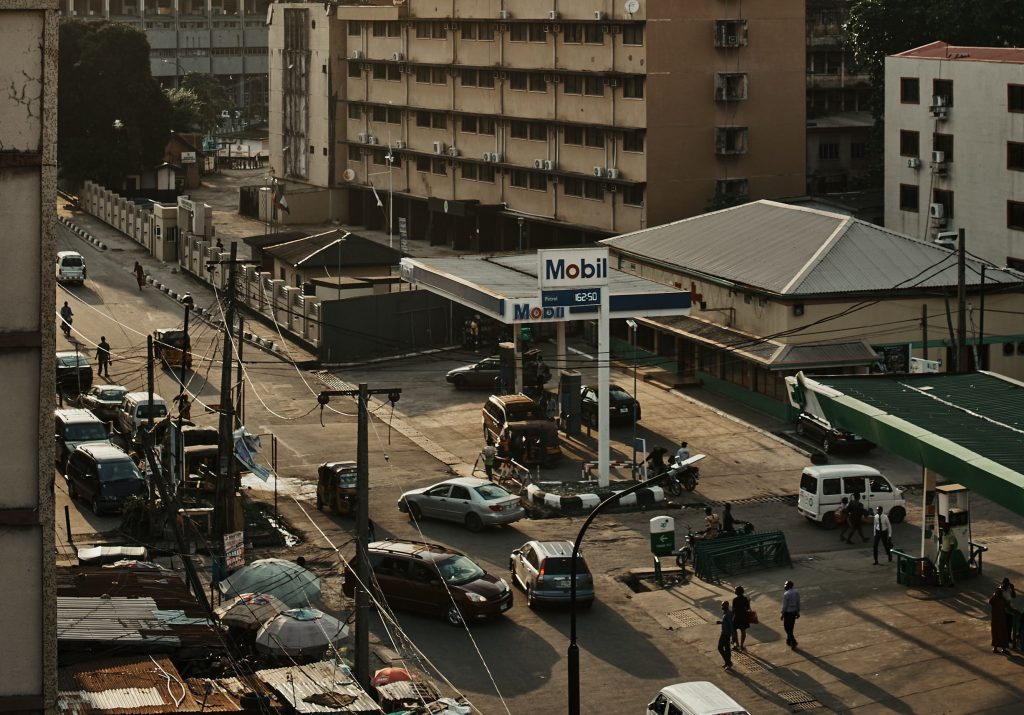
I’m exceedingly generous. Probably too generous. My family often jokingly says that if I come into ownership of a million dollars that it’d be done in a week, and it’s not because of excessive spending on things that I want. They believe that I would give it all away. If someone is in need, I can’t resist helping.
On March 7th, 2022 I met an Uber Driver: Bright.
Sidenote: I love Uber because I get to meet lots of different people, and listen to their stories. It most definitely adds color to my life.
Back to the story: In this particular instance, my Uber Driver told me that although he drives full time and he enjoyed meeting different people, it was merely a means to an end. What he really wanted to do was storytelling. And he was saving from his Uber trips to purchase a camera.
I’m a storyteller too. I understood all too well being in a situation where you must do things which you are not passionate about in order to be able to do the things which you are in fact passionate about. I most definitely identified with this young man.
The types of stories that he wanted to tell also resonated with me. For the past 7-8 years, I’ve been on a quest to tell African and Caribbean stories authentically. I wanted our food, our dance, our music and our culture to be shared by us and not interlopers. He seemed to have a similar passion.
Even though a few weeks prior, I had already been scathed by another person who I’d tried to help, his story and passion resonated with me soundly enough for me to offer to make my DSLR camera and a newly purchased drone available to this Uber driver who I’d just met. I told him that I was a student and during the semester I’d be spending most of my days in class. The camera and drone would mostly be sitting at home, until I went on vacation. It seemed right to let someone this passionate use it. I also told them that I had just been burnt by someone who I’d tried to help a couple of months prior and that he shouldn’t make me regret this. He pleaded honesty and promised that he’d take care of my devices.
I made the offer, but didn’t loan him my devices that same day. I wanted to actually have time to go on a few excursions with him before I would feel fully comfortable handing him my devices. But he seemed enthusiastic and he texted asking for photos that I’d taken with my camera. So five days after our meeting I told him that he could come for the drone and camera.
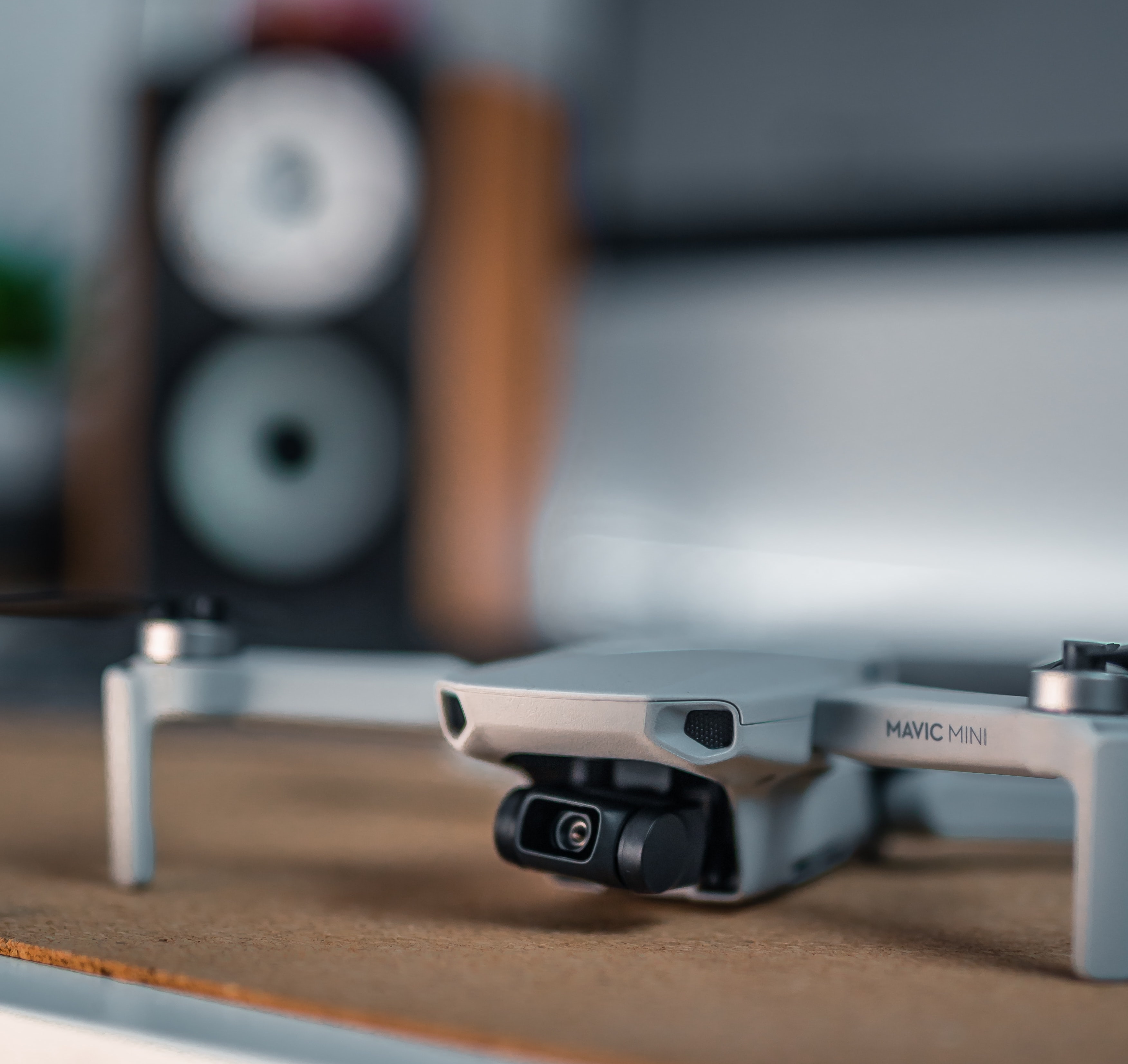
Bright took and returned my devices quite a few times, so for the most part, I trusted that they were in good hands. Unbeknownst to me, my trouble would begin on May 11th. I had the camera in my possession, but he still had my drone, and the time where I would need it was coming. I sent him a message on WhatsApp, to which he hurriedly responded.
[9:44 PM, 5/11/2022] Bright: Please I will be in Accra next week friday
Am at my late father’s funeral
I didn’t bring the drone with me here, its secured at my place in Accra so as soon as i get to accra i will hand it over you you 🙏🏾
But I thought nothing of it. He told me that he was attending his late father’s funeral in Kumasi, but he’d be back on the 20th of May and would bring the drone back to me. As per our previous experiences, I had nothing to worry about, or so I thought…

By someone else’s standards, my 2021 may have been a fairly normal year, but in my eyes, it was more than normal; one of the best years I’ve had in a bit. For one, this was the first year that I was debt-free since I left university in 2013. And I think that made everything better. I was able to start off a few projects, explore Ghana, travel to see my family in Saint Lucia, upgrade my tech, and start a new lease in Ghana. Btw, I’m extremely proud of my new apartment because I went through so much to be able to grab something that I liked affordably in these Accra streets. But we’ll chat about that in another blog post. For now, this is what my 2021 looked like.
My New Ventures
I’m always starting some type of business. I’m addicted to the thrill of coming up with an idea and bringing it to life. This year was no different and as a matter of fact, being debt-free gave me extra space to explore even more of my ideas.
I started off the Guru Project, a group of directories dedicated to helping. Unfortunately, besides building the platforms, I wasn’t able to do much with this project in 2021. As a matter of fact, I purposely put it on hold after an incident with a sales hire discouraged me greatly. Can you imagine your girl giving the last of her funds to a young man who promised that he would be able to assist in gaining the necessary traction for the directories, sitting in your house drinking ONLY tea for two days, and at the end of the month, he delivers nothing?
Well… that was me. The things I do for my companies.
For my most successful venture of 2021, I partnered with a Ghanaian friend to start and grow a natural skin and beauty care company called Dinam Naturals. Within the space of 3 months, we retailed many many units of our products and expanded to new markets. Currently, we’ve shipped to Brazil, Canada, Kenya, Trinidad and Tobago, Saint Lucia, the United States, the United Kingdom, and Germany. To add to that, we started a small, growing distribution network and things went so well, that we’ve sold out all of our stock and have back orders that we never anticipated.
Now, I love what we’ve been able to accomplish with Dinam Naturals, but I’d say that my most fulfilling undertaking of 2021 is notes. At notes. we created two platforms – wasscenotes. and cxcnotes. – to provide free, structured, syllabi-tailored, high-quality, comprehensive learning resources for WASSCE, CAPE, and CXC students across West Africa and the Caribbean. The notes are beautifully illustrated and written to suit their target audience. The platform also has built-in: flash card sets, forum discussions, audio notes (in English and other local languages), and tutorial videos tailored to the WASSCE, CAPE, and CSEC curricula.
I Did Lots of Fulfilling Work
Towards the latter part of the year, I started working as a consultant with an Open Education consultancy firm out of Cambridge, United Kingdom. I gave lots of my time and diligence toward the implementation of a Learning Recovery Program across the Caribbean region, and I got something in return: an opportunity to pick the brains of some of the most experienced consultants in the open education development space. I gained tons of perspective about the steps I could take to move notes. forward, and I’m looking forward to implementing in 2022 God willing.
I Did Better with Managing My Finances
Whoo! I’m 30, and I still don’t have the whole management of my personal finances down yet; for a number of reasons:
- I loan out money; too much money. I can’t say no if someone is in need and let’s just say I have an uncanny knack for loaning money to people who always do not pay me back at the agreed-upon time.
- Because I work in the consultancy/freelance space, I don’t make a set amount of money consistently. I can have glutton months where I make tons of money and other months of famine where I make little to NO money.
Still, this year was one of my best years financially. I was able to meet my needs, and then some, and I was also able to help others to meet theirs. I gave generously. Very early on, I stopped tracking how much money I gave out because if I did I probably would have a heart attack.
I left the year with a nice chunk of savings ( I save with Esusu) even after being able to get my fam some pretty dope gifts. My bank in the US even finally convinced me to take up the dreaded “credit card”. Y’all know I don’t like credit, but my banker had a long chat with me about some of my future plans, and building my credit seemed a very good idea at the time. So… I have a credit card. One which I’ve been using very well, might I add.
Bringing the Sexy Ras Back
A long time ago, I used to wear dreadlocks, and ever since I cut them off almost seven years ago, I’ve struggled to make a decision between wearing my hair completely short, or loc’d. Well, this year, my 30th year of life, I took the plunge. I am bringing the “sexy Ras” back. I am officially 9 months locked today, and I can’t wait to show you all what my hair looks like on its first anniversary.
2021 Was A Happy Year
Since I saw my horrible Cambridge A Level grades, I’ve hated exams, and I’ve consistently battled anxiety and depression. In 2021, 11 years since the genesis of that struggle, I had one of my happiest years. I took time to do things. Besides work. I explored Ghana, hit up a couple of restaurants, and art galleries, and even took in a bit of the nightlife. I traveled. In the middle of a pandemic. On my way home, I stopped over in New York for five days and these 5 days marked literally the most amount of time that I’ve spent exploring the city for ALL of the times I’ve gone to New York.
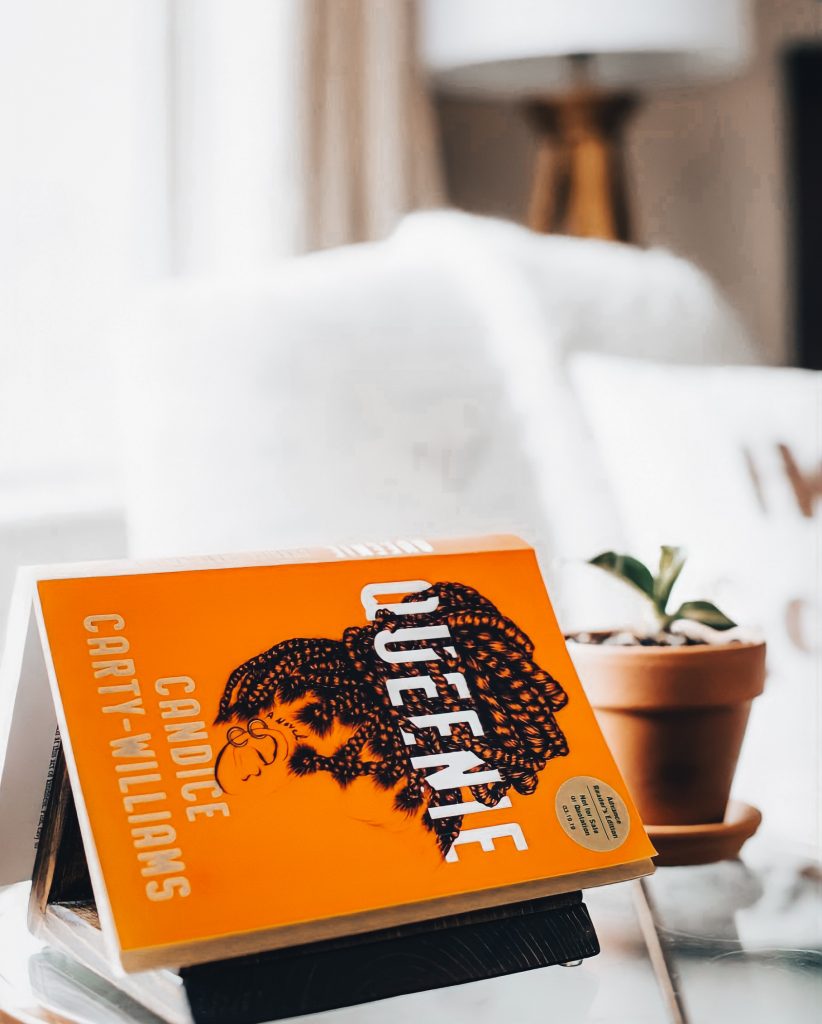
Title:
Author:
Candace Carthy-Williams
Formats
Paperback, Hardback, Kindle & Audible
From the very first paragraph, it is abundantly clear that, Queenie, a 25-year old, black British woman of Jamaican heritage, is firmly rooted in a world of turmoil; one, that she will, without question, need help getting out of.
We are introduced to Queenie while she is laid out on a doctor’s table. While undergoing her examination, she texts almost endlessly seeking the support of a partner who has in all surety, checked out of their relationship. In the midst of this abandonment, as if to add insult to injury, she finds herself in a space where her healthcare providers seem determined to eliminate her as an active participant in her healthcare.
But hey, I don’t want to give away the whole story. You can grab the book. For now, allow me to address some of what were, to me, the most impressionable themes from the book.
Women Soldiering On
Without giving out too much, Queenie’s diagnosis is of significant emotional import. For lack of better words, it is emotionally devastating. However, she doesn’t take the time to deal with what her doctors have shared. She hops off the table and goes right back into life as normal: work, managing friendships, a broken relationship and immediately taking the task of moving to a new space.
Unaddressed Trauma
The most abundant and perhaps central theme in Candace Carthy-William’s freshman novel is unaddressed trauma.
As a young woman, Queenie experienced a barrage of traumatic experiences which remained untreated. This later reflects in superior self-destructive behavior. If nothing else, Queenie is a reminder to all who read to make the necessary effort to unpack the stories and traumas of their childhood in order to be able to construct and navigate healthier futures.
Mental Health in British-Caribbean Circles
Queenie knew that she needed help. Her friends tried to tell he subtly that she wasn’t her usual, happy self. Additionally, her behavior had began to drift far off from her norm. But she hesitated in getting help, in large part because of what she knew her typical Caribbean family’s reaction would be if she opted to go the route of therapy.
Queenie’s struggles, stories and journey feel familiar, not so much in a personal way, but in a Caribbean way. As a young Caribbean woman, I understood probably too well the aversion to unpacking the past and the stigma associated with mental health that is deeply characteristic of Caribbean societies and their diaspora. The book dealt with social issues that genuinely needed to be addressed. Even then, I’d give this book a 3.5/5 rating. Maybe it’s because the reviews which I read prior described the book as gut-busting-humorous, forcing me to come in with great expectations of what Caribbean humor should read and feel like. I didn’t feel like I got that humour. The themes were deeply serious, and I while I wasn’t displeased, I found very little humor in how raw and truthfully they were represented.
All in all this was a very good first attempt by Candace Carthy-Williams.
5 hours from Saint Lucia to New York, an unplanned 10 days in the Big City after Royal Air Maroc denied me permission to board a flight to Morocco, an 11-hour flight from JFK to Casablanca (when I was actually allowed to travel 10 days later), a 13-hour layover in Morocco before another 4-hour plane ride to my destination and countless other stories not shared here. It’s culmination?
On September 21st, 03:00 GMT-5 I landed at Kotoka International Airport to begin a new chapter in the book that is my life. The airport was virtually empty save the people who accompanied me on the flight from Morocco to Accra, but still, my arrival lit a small spark of hope and expectation. Whatever was about to happen in my life would be far more exciting and activity-filled than the lack-luster, almost quiet scene that I was experiencing.
Today marks exactly 3 months since my arrival, and while some things have measured below expectation, it has most definitely been a defining time.
I am a perpetual student of me, always leaving space for the inevitability of human evolution. Still, I have NEVER learnt so much about myself in such a short space.
Perhaps, it is being thousands of miles away from family and friends without the ability to easily hop on a flight back home. Perhaps, it is that being in Ghana reminds me of a simpler time that I unknowingly missed and under-appreciated. Perhaps I always knew these things about myself and Ghana served as cement for me. I may be unable to pin down the reasons with one musing, but here are seven (7) things that I can assuredly say that I’ve learnt about myself since being here.
My Dream Job Is A Mix of Field Work, Story Telling & Good Money
I’ve been ridiculously restless and seemingly aimless since graduating university in 2013. My journey has been one of sifting through what I believe God desires for me, what the people whom I love and value desire for me, and what I desire for me. The result is that I’ve done a ton of different things; some of which I’ve been successful at, and others which have gifted me with even greater frustration. But I think I am beginning to find clarity.
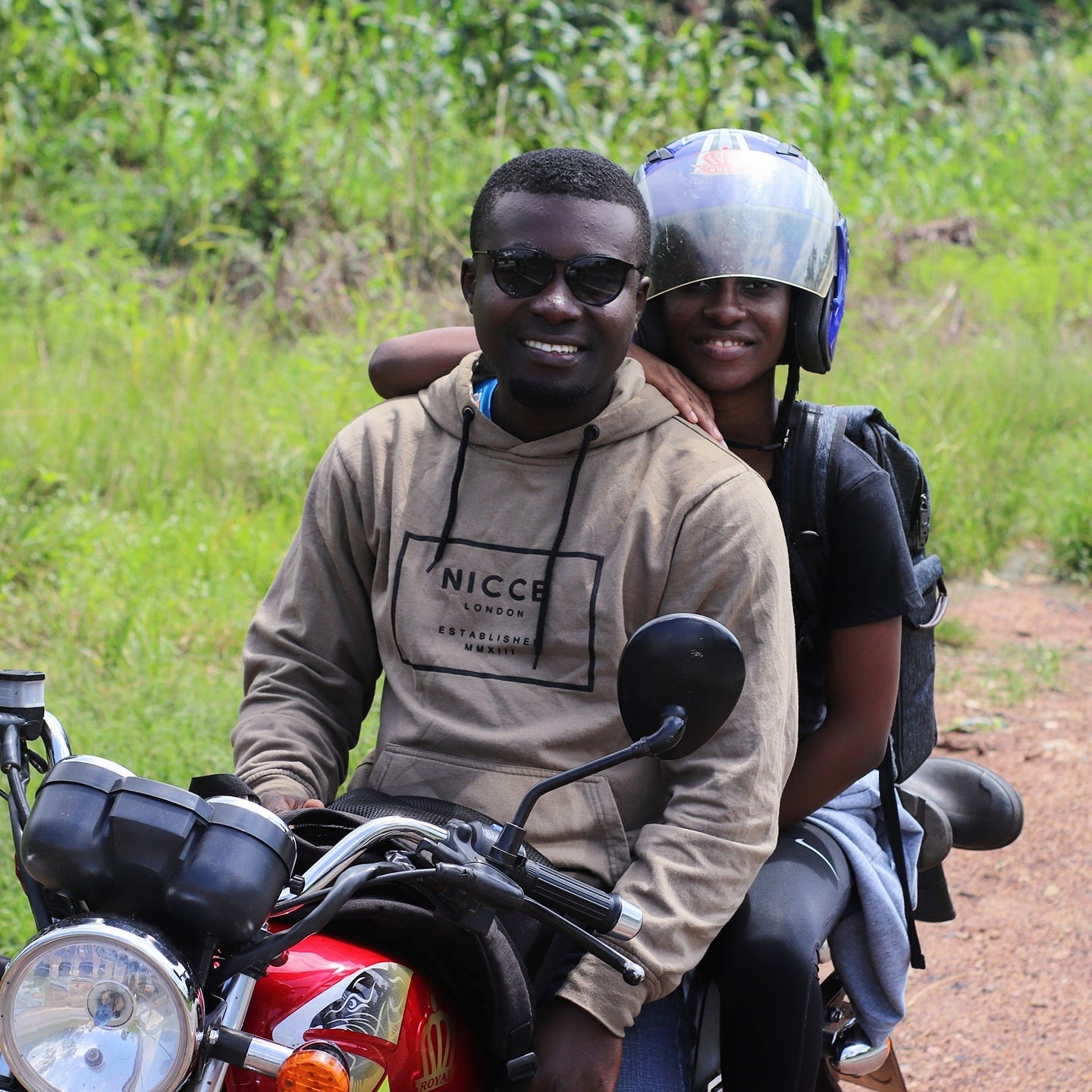
The nature of my current job has required my presence in the field; rural farms with little connectivity, but some of the most genuine conversations with few words, rough rides in the back of pick up vans and even a few hours taking in gorgeous landscapes on the back of a motorcycle. I have loved every moment of it, and I’ve noted that these have been perhaps the most joyous and healthy moments since my arrival in Ghana; perhaps even the most joyous and healthy moments since I graduated university in 2013. These experiences have also cemented for me that I do not relish a life where I am glued to a desk. I don’t know what the future holds, but the assignment that will see my full commitment and happiness is one that has the perfect mix of fieldwork, story-telling, flexibility, and a comfortable salary. 😃
Money is NOT My Main Driver
I’ve been one of the people who has heard another’s complaints about the stress of an occupation or a sector and responded with, “If the money is right, I’ll do it”. At 28, my song is a different one. There are certain things that you can NEVER pay me enough money to deal with: disrespect, a lack of room for creativity, an environment with little flexibility or an environment which requires me to shrink to adopt a personality that is not mine.
I Am Very Prone to Taking Care of A Man
Surprise, Surprise! Hell, it surprised even me.
I have very egalitarian values.
I carry my own shit, buy my own shit, open my own doors, fix my own sinks, and I have always been of the opinion that if I ever were to marry that I did not want to and will not be the one half of the spousal unit who would always be in the kitchen cooking. But since I’ve come here, well that ‘ish can be thrown out the window. Your girl is very prone to taking care of a man: cook his food, plate his food, buy his body wash, kind of take care of a man. With certain conditions, of course. And did I mention that I love cooking?
I was thrown into an environment where mens’ posture towards me elicited a particular response. And no long stories, but I found out that if humility is in the mix, there’s not much I don’t do.
In another post, I will share more widely how I made that discovery.
I Thrive on Order and Structure
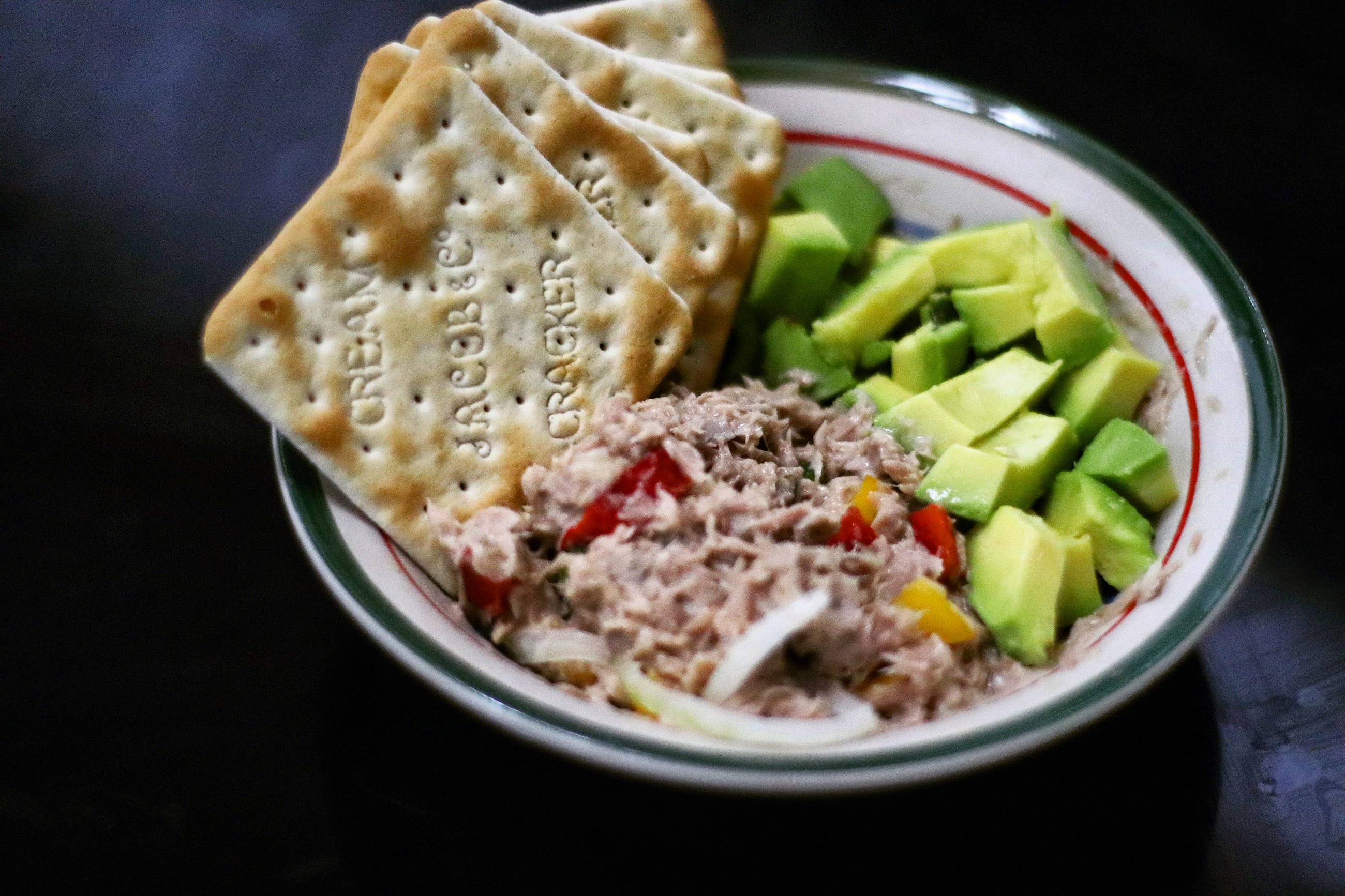
My most volatile times in Ghana, the few times where I questioned whether I should be here, were the times when I was expected to thrive in environments with no order or structure. Order and structure make clear for me what my role is and how I am to function. They give me greater control of my time and provide me the knowledge I need so that I can plan to accomplish all of the things which I desire. When this is absent in my space, I am not the best version of myself. It’s not something that I had noted before. I’ve always found myself in situations where I operate on the fly and simply adjust to what is put before me, functioning fairly well. But I am in a phase where I seek to function at the marker of excellence and nothing less. Now that I know what I need to do that, it will make the world of difference in how I go about selecting opportunities, environments and relationships in the future. I need order and structure to be my best self.
I Am NOT A City Girl
There used to be a time where I loved wearing tailored, long-sleeved blouses, tailored blazers, and turtlenecks. Then again, I still love them. But these days, I wear them less often. I no longer have a desire to be in the environments which necessitate them. I hate the cold. I hate the snow. I hate the city. At the core of who I am is a small-town Caribbean girl. At the core of who I am is a woman who loves breathing in air of a particular quality; a woman who loves simplicity and solitude with a little bit of adventure thrown in every now and then. Being in Accra has most definitely been somewhat of a challenge for me and it brought with it an unwanted feeling that I’ve experienced before; a feeling that always comes when I find myself in the city. It is a bundle of anxiety, nerves, and an extreme need to perform and show. I despise it, and I’ve come to know that a happy future will be a permanent base in a quiet, semi-rural or rural area with sporadic, short visits to various cities.
I Love The Water
I can’t swim to save my life — okay maybe I can — but Ghana has cemented for me that I find peace near bodies of water. I don’t need to touch the water or be in it. I just need to be near it. I need to hear the lapping of waves or the gurgling of streams. It soothes me and calms me in ways that nothing else — the gym or a good book — can. With that said, there is waterfront property in my future. Somewhere. Somehow.
I Have A Very Deep Sense of Self and I Am At Peace With Me
Flaws, strengths, gifts, talents, highs and lows, I’ve learnt to appreciate what I bring to the table. I have a very deep understanding of who and what I am, and even better, I am at peace with it. It is of import to note that the peace that I own is not one that will see me stagnant in growth. Instead, it helps me keep a steady head when things that I think I can do better or which I outrightly dislike about myself show up. Being at peace with myself also doesn’t mean that I’m totally inconsiderate of others’ feelings. Having said this, I will be myself before I am anything, and if adjustments need to be made, I gladly make them. This may mean adjusting how I interact with an individual or not interacting with an individual at all.
If nothing else, Ghana has been one big lesson on Chadia: who she is today, who she desires to become, what she wants out of life, and who and what she will and will not allow into her space. I imagine that moving into a new zone, a new district, a new country or a new continent can do the same for anyone. If you’ve recently relocated, drop a comment. Where did you locate to and where from? What surprising thing(s) have you learnt about yourself?